The New Logic of Brand Collaboration
There is a before and after in the world of brand collaborations.
That definitive line runs through 2003, when Marc Jacobs convinced LVMH to hand one of fashion's most protected assets, the Louis Vuitton logo, to Japanese artist Takashi Murakami. The result was the Multicolore collection. It was provocative, joyful, and completely unprecedented. A genuine collision of two worlds that had no business being in the same room. At the time, the surprise was the strategy.
And for a while, that was enough.
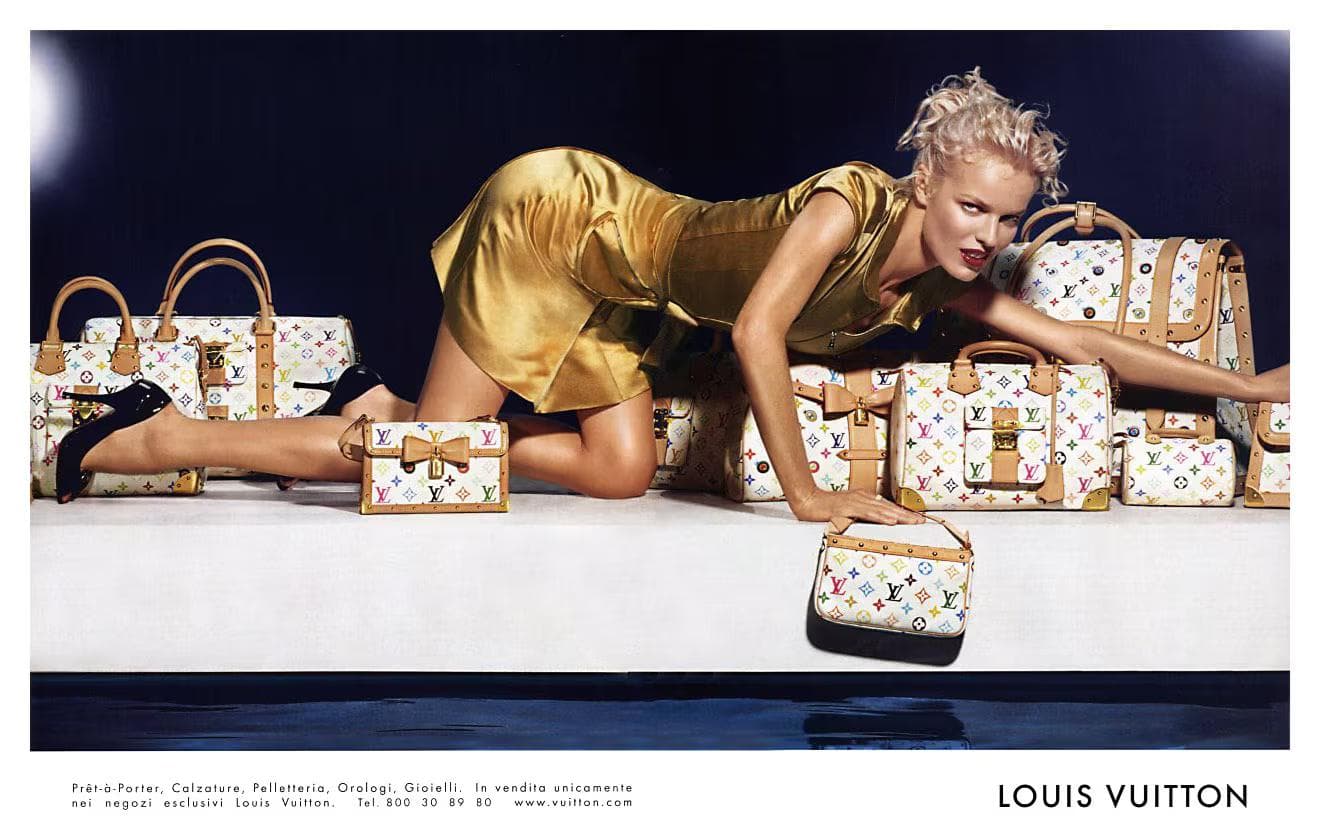
Image via Dazed
When Novelty Was Currency
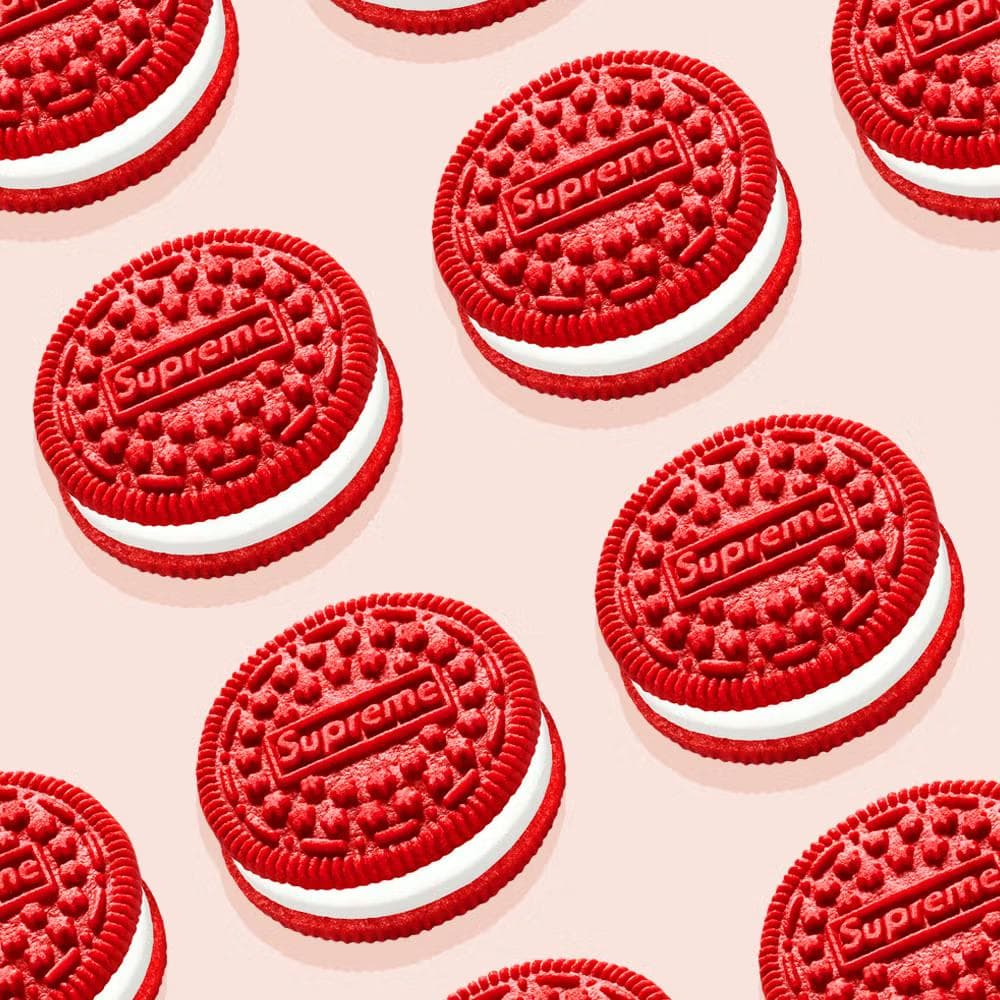
The first wave of brand collaboration ran on a simple fuel: utilise the unexpected to create shock value. Nike x Supreme in 2002. H&M's designer collaborations, starting with Karl Lagerfeld in 2004. These were moments of genuine cultural disruption because they were genuinely rare. Luxury didn't democratise itself, streetwear didn't sit next to heritage; the collision was the point.
Consumers responded not just with their wallets but with their attention. These drops created queues, arguments, and cultural conversation. They were scarce by design, and scarcity amplified desire.
The mechanics were clear: find two things that don't necessarily belong together, put them together, watch the world line up.
For nearly two decades, this model held. Brands refined it, scaled it, and eventually industrialised it, which is precisely where the problem begins.
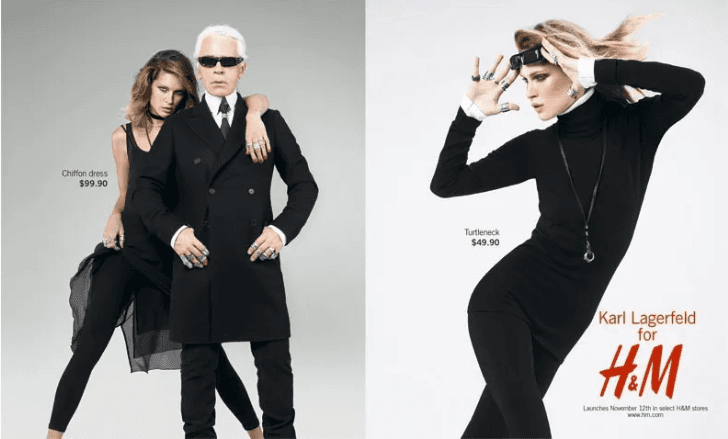
Image via BAZAAR
The Saturation Point
By the early 2020s, collaboration had become standard practice. Every category was at it. Fast food met fine dining, sports met luxury, beauty met beverage. The list of unlikely pairings became so long it started to feel like a genre unto itself; predictable in its unpredictability.
When Saturday Night Live aired a sketch parodying a fictional Flamin' Hot Cheetos x Preparation H collaboration, read less like a joke and more like a tell. When culture clocked the formula, the novelty premium collapsed.
This moment became an opportunity to step back and ask a deeper question; moving beyond who to partner with, to why does it matter?
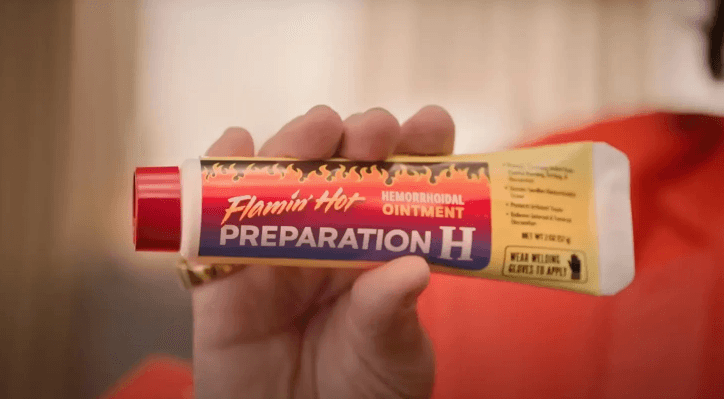
Image via DIELINE
The Real Shift: Identity Is Plural
To understand why collaboration still matters, you have to start with the consumer, not the category.
Something fundamental has changed in how people construct identity. For most of the 20th century, consumption was tribal. You were a certain type of person, and you bought things that confirmed that. Brands built moats around their audiences to reinforce this dynamic.
Those days have come and gone.
The same person who tracks their sleep data and takes magnesium before bed also eats fast food at midnight. They run on Saturday mornings and spend Sunday afternoons on the sofa watching reality television. They care about sustainability and still impulse-buy. People are not walking contradictions or anomalies, they are just fully human, and they're starting to lean into their multitudes.
This is the context in which modern collaboration operates. Consumers don't live in categories, they live in moments, moods, and micro-identities that shift across the day. The brands that mirror this complexity back at them accurately (without judgment) are the ones earning genuine loyalty.
What Makes For a Good Collab?
Not all collaborations are built using the same logic. You’ll see a wide range of tactics in the wild, but the ones worth studying often share a few recurring mechanics, and the strongest collaborations tend to layer more than one at a time.
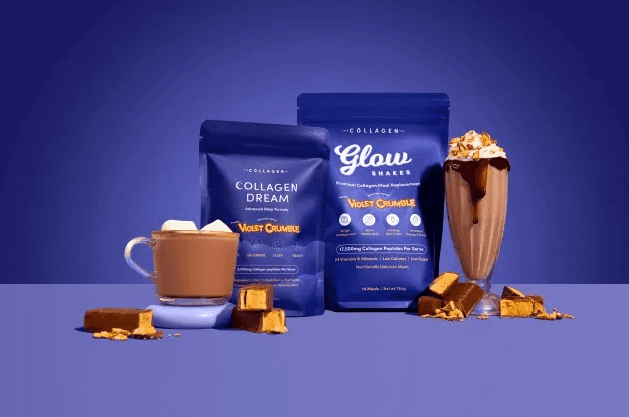
1. Tension Resolution: Collagen Dream x Violet Crumble
The most effective collaborations resolve a tension the consumer is already navigating. Take The Collagen Co.’s Collagen Dream x Violet Crumble. It isn’t a random flavour stunt; it speaks to the daily push-pull between indulgence and self-improvement. Violet Crumble delivers the nostalgic treat, Collagen Dream delivers the functional “glow” promise. Together, they make the intersection feel legitimate: a product that lets consumers indulge without stepping outside their wellness identity. Neither brand could have owned that permission alone.
2. World-building: Nike x LEGO
Nike x LEGO is what collaboration looks like when it’s designed as an ecosystem, not a one-time drop. The partnership fuses Nike’s world of sport with LEGO’s world of creative play, then makes it real across products and experiences, from co-branded kids footwear and apparel to LEGO sets and physical activations like the Nike and LEGO Play Arena at LEGOLAND California. This matters strategically: it gives kids a role inside the brand story (“build + move”), and it gives parents a reason to buy in beyond hype. It’s not merch, it’s a shared universe with rules, rituals, and places to participate.
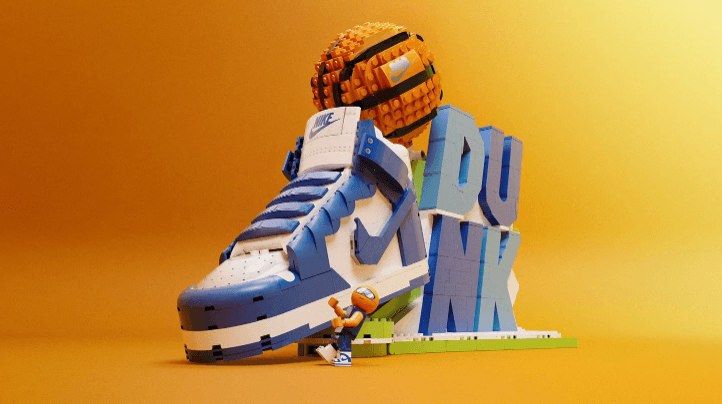
Image via NIKE.com
3. Cultural Alignment: Hector's Deli x Australian Open
For the Australian Open 2026, Hector's Deli linked local culture to global spectacle with their tennis ball doughnut, transforming their core product into a literal icon of the event. It makes a massive sporting moment edible, local, and highly shareable; a participation trophy for the city's most significant cultural fortnight. Both entities win: the Australian Open gains local credibility, and Hector's Deli cements itself as a permanent fixture of Melbourne's cultural ritual.
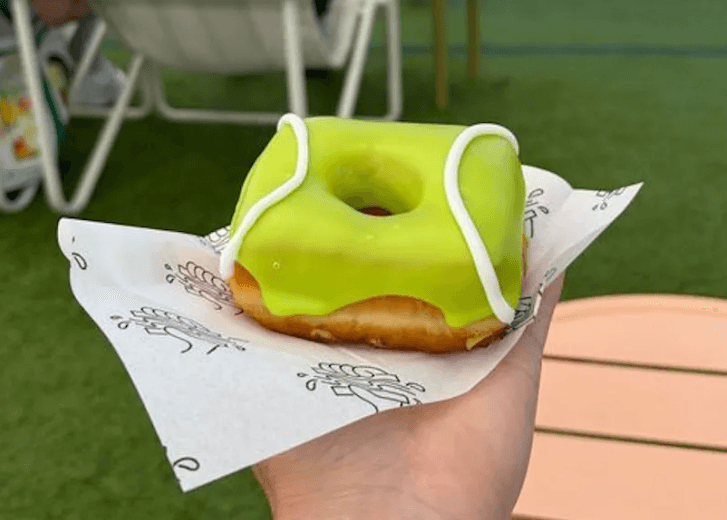
Image via Hector’s Deli Instagram
When Brand Worlds Collide
Another signal that collaboration is maturing: the collapse of the line between brands and entertainment. Gap didn't appoint a Chief Entertainment Officer because it wants more celebrity campaigns. It did it because entertainment has become a strategic growth engine; a way to build worlds people actively choose to enter, not ads they passively tolerate. In a saturated collaboration economy, IP is the ultimate shortcut to meaning: it arrives with a ready-made universe, a shared language, and a community already assembled.
The best brand-entertainment partnerships don't feel like fluff, they feel like access. A way for consumers to step deeper into imaginary worlds and bring a piece of them back into real life. Consider L'Oréal Paris' x The Devil Wears Prada sequel. This partnership transcends co-branding, immersing consumers in a narrative they cherish. By aligning with a film that epitomises high fashion and beauty, L'Oréal Paris offers fans a tangible connection to that world, transforming everyday products into artifacts of a beloved story.
The Future: From Novelty to Necessity
Collaboration isn't slowing down, but it is in a state of rapid flux, shifting from one-off partnerships to broader platforms.
The brands that will define the next chapter are the ones who are most clear about what they stand for, and most deliberate about who they stand with. The Murakami revival at Louis Vuitton in early 2025 (which contributed to double-digit growth) proves this. It wasn't just nostalgia; it was a strategic declaration of where that brand sits in culture today.
Coming Soon: The New Logic in Action
Later this year, we’ll be releasing a series of deep-dive case studies into our latest work. We’re going behind the scenes of two major 2026 collaborations that move past the "logo swap" and into genuine world-building. Stay tuned if you’re keen.
Brand Society is a brand strategy and design consultancy. We help brands find their position, build their world, and show up with intent.