Written by: Nina Kelly
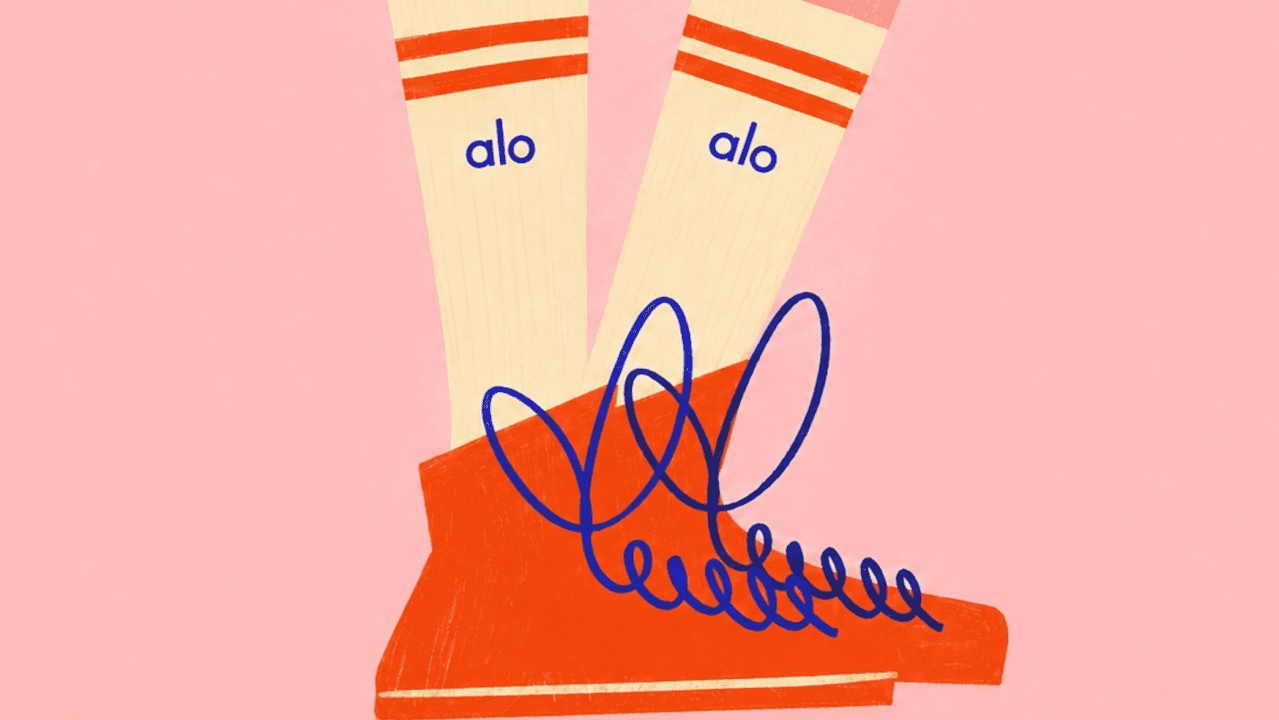
I was lucky enough to be in Hawaii recently and, like many mother-and-daughter shopping trips, ours inevitably found its way into an Alo store. After an enjoyable stroll around and trying on a few things, we found ourselves standing in front of a neatly merchandised wall of socks. I reached for the bone pair with white stripes as my daughter instinctively reached for the white pair with black stripes.
What followed wasn't a discussion about socks. Instead, we found ourselves talking about how they'd look with our new Alo leggings, the sneakers we'd wear them with and the cool vintage American sports aesthetic we wanted to create.
Then one of us looked at the price.
"$50 each for a pair of socks?"
We looked at each other, laughed and promptly put them back.
However, the price wasn't the story. The fifteen minutes before it were.
For fifteen minutes, price simply wasn't part of the conversation. We weren't evaluating the quality of the socks or comparing them to other brands. We were imagining how they'd fit into our look, our weekends and the lifestyle we wanted to create.
What interested me wasn't that we walked away. It was everything that happened before we did. By the time we looked at the price, the brand had already done its job.
The strongest brands create mental ownership before physical ownership.
Long before someone reaches for their wallet, they've already imagined themselves wearing the product, using it or living with it. In their mind, it already belongs to them. The purchase simply catches up later.
It's a subtle distinction, but an important one. Many organisations invest enormous effort explaining features, value and reasons to buy. Yet consumers rarely form emotional connections through product specifications.They connect with aspiration rather than specification.They buy into a world they want to belong to and an identity they aspire to express, with the product becoming the symbol of that choice.
The same pattern continues across different categories. I only have to look at my daughter's latest collection of purchases to see it. Alo sells far more than activewear; it represents movement, wellness and effortless style. Stanley transformed an everyday water bottle into a symbol of routine, wellbeing and belonging. Rhode has built remarkable demand by making skincare part of a broader aesthetic and cultural conversation.
Eventually, reality catches up. Budgets matter. Value matters. Logic returns.
So, we didn't buy the socks. But I don't think the brand lost.In fact, we walked out with other things. Eek...
But, for fifteen minutes, two rational people (well, most of the time) had already found a place for those socks in the life we imagined for ourselves. Whether they ended up in our shopping bag almost became secondary. They had already done their job.
Perhaps that's the real measure of brand strength.
Not whether every product ends up in the basket, but whether the brand earns a place in someone's imagination.
The strongest brands create mental ownership before physical ownership.