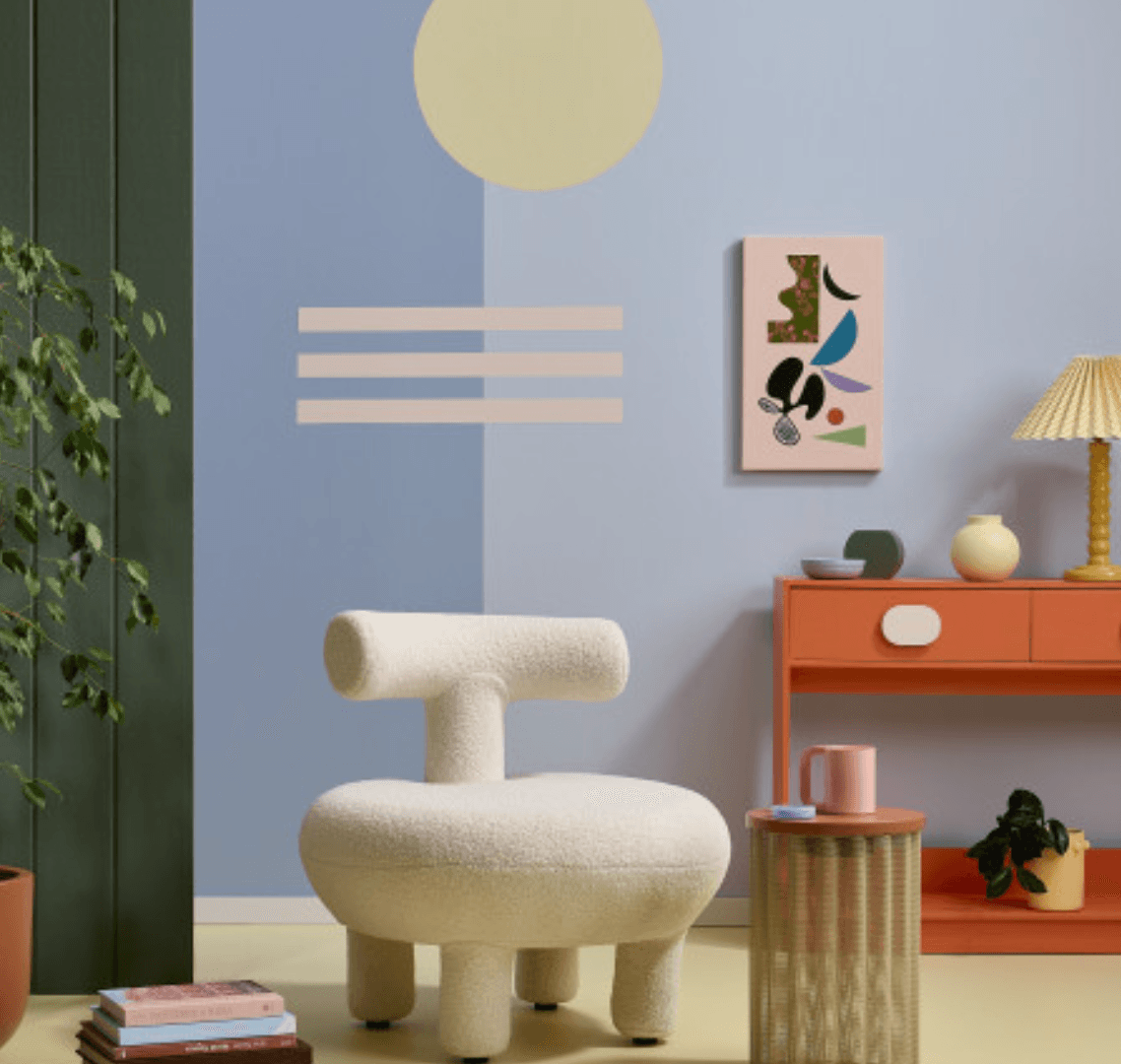
For most of the twentieth century, the ideal home was, above all else, a retreat.
The postwar suburban house was designed with a specific theory of life built into its floor plan: work happened downtown, play happened outside, and home was the place you came back to. Separate rooms for separate functions. A clear threshold between the public world and the private one. The architecture of that era encoded a belief that the good life was one where different parts of it didn't bleed into each other.
That world is gone, and it didn't exactly tiptoe.
The modern home has become one of the most important cultural spaces in our lives, expected to function simultaneously as office, gym, restaurant, cinema, sanctuary, classroom, wellness retreat, and social hub. What was once a destination has become an ecosystem, absorbing activities that were previously spread across dozens of different places.
As external life becomes more fragmented, home has become increasingly consolidated.
This shift has profound implications for brands.
Many categories continue to think about the home as a physical environment that requires products. Increasingly, consumers are treating it as an environment that requires support. The challenge is no longer simply helping people clean their homes, furnish their homes, or decorate their homes. It is helping people navigate the complexity of living within them.
Blurred Lines
The rise of remote and hybrid work accelerated a transformation that was already underway.
The same kitchen table that hosts breakfast now also hosts board meetings. Living rooms transform into workout studios. Bedrooms double as offices. A single space is expected to accommodate multiple identities throughout the course of a day.
The result is convenience, but that also comes with cognitive load.
When every aspect of life exists within the same environment, boundaries become harder to maintain. Work bleeds into rest while chores compete with leisure, and the visual cues that once helped people transition between different parts of life have begun to dissolve.
Many of the tensions people experience today are not caused by a lack of space, but by a lack of separation.
This is contributing to one of the big shifts we’re seeing among brands: from helping people do more, to helping people move between modes more easily.
Rather than designing products for singular occasions, they are designing systems that reduce friction, simplify decisions, and support transition. The success of all-in-one solutions across categories reflects a growing desire for fewer products, fewer decisions, and fewer demands on already stretched households.
Increasingly, the brands that are resonating are no longer just adding functionality, but removing complexity.
The Rise of the Reset
As attention becomes more fragmented, consumers are becoming less interested in ambitious routines and more interested in small moments of recovery.
The idealised rituals of the past often assumed people had abundant time and focus. Today's reality looks very different. Between notifications, work, family responsibilities, and endless streams of content, attention is constantly interrupted.
In response, people are gravitating towards what could be described as micro-rituals: small, repeatable behaviours that provide a sense of control, calm, or accomplishment within seconds rather than hours.
This is one reason wellness has become such a powerful influence across categories. Its language and rituals are increasingly being borrowed by brands far beyond traditional health and beauty.
Cleaning products talk about mood and atmosphere. Laundry products promise sensory experiences. Household maintenance is reframed as self-care. Everyday tasks are becoming opportunities for emotional regulation as much as functional outcomes.
The brands that are nailing this right now understand that people are not necessarily looking for transformation. More often, they are looking for tiny moments of restoration that fit into the realities of modern life.
When Home Becomes Identity
Perhaps the most significant shift of all is that homes are no longer purely private spaces.
For much of history, the home existed largely beyond public view. Today, it is one of the most visible expressions of identity we have.
Social platforms have transformed kitchens, bookshelves, bathrooms, and living rooms into cultural stages. Everyday objects increasingly contribute to how people present themselves, both to others and to themselves.
As a result, consumers now evaluate products through two lenses. They need them to perform, but they also need them to belong.
This helps explain why categories once dominated by utility are becoming increasingly design-conscious. Homecare products borrow cues from beauty. Cleaning brands adopt the aesthetics of wellness. Functional objects are elevated into lifestyle accessories.
People are curating homes in much the same way they curate wardrobes.
Products are no longer judged solely by what they do, but by what they signal.
What This Means for Brands
For decades, many brands approached the home as a place. A room to furnish. A surface to clean. A task to solve.
Increasingly, consumers experience home differently. It is no longer a fixed environment but a constantly shifting system of roles, responsibilities, emotions and routines. People move through multiple versions of themselves within the same four walls: employee, parent, partner, host, caregiver, friend and individual.
The opportunity here is for brands to recognise this shift. Rather than simply selling products into the home, they can help people navigate life within. By reducing complexity rather than adding to it, they can create moments of transition, restoration and control. In doing so, they will understand that utility alone is no longer enough; products must also fit seamlessly into the rhythms, rituals and identities of modern domestic life.